
Enhancing Productivity and Teamwork through School ERP: Advantages for Learning
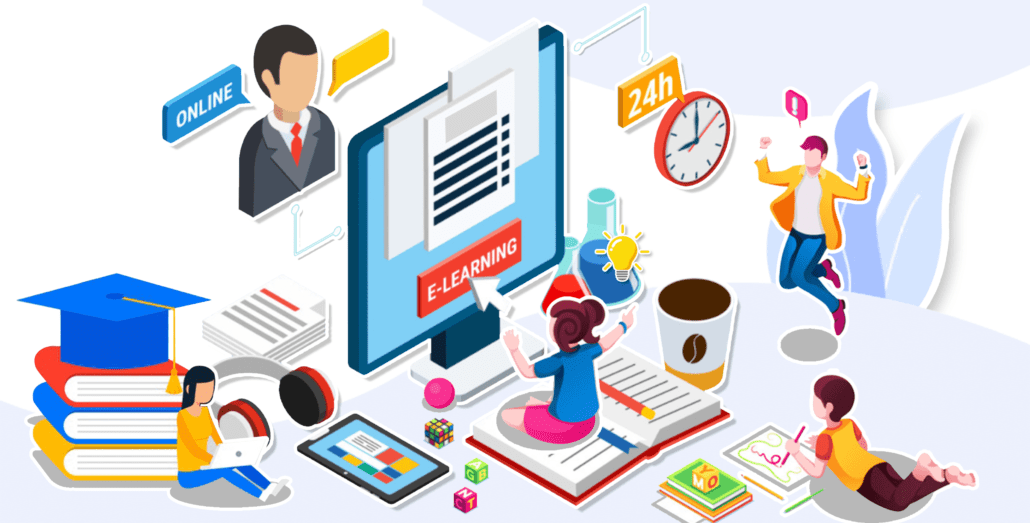
Educational establishments are progressively adopting School ERP (Enterprise Resource Planning) systems to optimize administrative functions, foster communication, and boost efficiency. These all-encompassing software platforms amalgamate multiple facets of school management, such as student data, academic records, financial information, and human resource management, into one unified system. Common characteristics of School ERP systems generally encompass:
- Student information management
- Attendance tracking
- Grade and report card generation
- Timetable scheduling
- Fee management
- Payroll processing
- Library management
School ERP systems streamline various operations, minimizing human mistakes, enhancing efficiency, and conserving time. A number of these platforms come equipped with mobile applications and online portals that enable students, parents, educators, and administrators to retrieve information and execute tasks from anywhere. Adopting School ERP systems allows academic institutions to utilize data for informed decision-making, foster stronger connections with students and parents, and deliver a more effective educational experience.
Consequently, these technologies are reshaping how educational institutions function and aiding in the creation of a more efficient learning environment.
Key Takeaways
- School ERP is a complete software program made to improve communication and teamwork in educational institutions while streamlining administrative procedures.
- Through features like online gradebooks, attendance monitoring, and communication portals, schools can enhance parent and student engagement by putting School ERP into place.
- By giving real-time access to student performance data, attendance records, and other important metrics, school ERP facilitates data-driven decision making.
- To safeguard sensitive student and staff data, schools must give data security and privacy first priority while deploying School ERP.
- With School ERP, the future of education appears bright as it continues to transform how educational institutions handle administrative duties, interact with stakeholders, and make data-driven choices.
Optimizing Administrative Procedures
A major advantage of School ERP lies in its capability to enhance the efficiency of administrative operations in educational settings. Historically, schools depended on manual approaches to handle student data, attendance logs, academic calendars, and various other tasks. This reliance frequently resulted in mistakes, delays, and a considerable investment of time and resources in administrative duties.
The adoption of School ERP transforms these operations by enabling automation and integration within a unified platform. Take, for instance, the student information management systems, which enable schools to efficiently store and retrieve vital student data, including personal information, academic achievements, health records, and additional details. This approach not only streamlines workflows but also guarantees that precise and current information is accessible whenever required.
In addition, many School ERP solutions include features for tracking student attendance, enabling educators to easily log and oversee attendance records. This functionality lessens the workload for teachers while offering essential data on attendance habits and trends among students. Moreover, timetable management modules assist educational institutions in optimizing class timetables, assigning teachers, managing room assignments, and various other tasks.
Through the automation of various tasks, School ERP facilitates greater operational efficiency for educational institutions, minimizes human errors, and enhances resource management. Ultimately, this simplification of administrative duties via School ERP empowers schools to prioritize delivering high-quality education rather than concentrating on routine administrative functions.
Improving Interaction and Teamwork

Clear communication and teamwork are vital for the successful operation of any educational organization. School ERP significantly contributes to improving interaction and cooperation among students, parents, educators, and school administrators. By offering tools like messaging, notifications, and event schedules, School ERP serves as a unified hub for disseminating essential information throughout the school community.
This guarantees that all individuals are aware of scheduled events, important dates, and pertinent news. Furthermore, School ERP typically includes collaborative features that enable educators to easily exchange resources, tasks, and feedback with their students. This enhances the educational experience while also building a strong sense of community among the school population.
In addition, education management software usually features portals for parents, allowing them to monitor their child’s academic status, attendance, financial obligations, and related information. This transparency enhances parental engagement in their child’s learning process and strengthens the collaboration between families and schools. Additionally, these systems can streamline interactions between educators and school leaders, promoting improved organization and more effective decision-making.
Through improved communication and teamwork throughout the entire school community, School ERP fosters a more unified and nurturing educational atmosphere.
Enhancing Involvement of Students and Parents
| Metrics | 2019 | 2020 | 2021 |
|---|---|---|---|
| Student Attendance Rate | 92% | 94% | 96% |
| Parent-Teacher Meeting Attendance | 75% | 80% | 85% |
| Student Satisfaction Survey | 4.2 | 4.5 | 4.8 |
Engagement of both students and parents is essential for the prosperity of educational institutions. School ERP solutions significantly enhance this engagement by facilitating easy access to important information and resources. For learners, School ERP includes functionalities like digital assignments, performance monitoring, resource distribution, and tools for interactive learning.
These characteristics improve the educational experience and motivate learners to participate actively in their schooling. Offering a digital interface for obtaining learning resources and interacting with educators, School ERP enables students to connect with their academics in a deeper and more engaging manner. In the same vein, parents can leverage School ERP to gain insights into their child’s educational progress via parent portals, which allow instant access to attendance updates, academic performance, feedback from teachers, and important notifications from the school.
The high degree of openness enables parents to remain updated on their children’s development and engage proactively in their learning journey. Furthermore, School ERP typically offers functionalities such as online payment options, communication channels between parents and teachers, and alerts for upcoming events, all of which foster more parental involvement in school events. By enhancing both student and parent participation through straightforward access to essential information and tools, School ERP plays a vital role in cultivating a more connected and supportive educational environment.
Data-Driven Decision Making
In order to make well-informed decisions about curriculum planning, resource allocation, student assistance programs, and other matters, educational institutions are depending more and more on data in today’s data-driven world. By offering thorough insights into many facets of school operations, school ERP systems are essential for supporting data-driven decision making. For instance, school ERP systems’ attendance tracking modules can produce reports on student attendance trends, allowing for the proactive identification of trends and the raising of attendance rates.
In the same vein, modules for monitoring grades can offer essential perspectives on student achievement patterns that can shape instructional methods and support initiatives. Additionally, School ERP systems typically include analytical features that enable administrators to create reports covering different facets of school management like budgetary information, personnel administration, student population statistics, and beyond. These documents serve to pinpoint opportunities for enhancement, monitor advancements towards objectives, and facilitate sound decision-making regarding the distribution of resources.
School ERP enables educational organizations to enhance student outcomes by offering extensive data and analytical tools, thereby allowing them to make decisions grounded in evidence.
Safeguarding Information Integrity and Confidentiality

As educational institutions increasingly turn to digital platforms for handling sensitive information, the importance of data security and privacy has escalated. ERP systems for schools are equipped with strong security features to safeguard critical data, including student records, financial details, and staff information. Such systems typically incorporate functionalities like access control based on user roles, encryption of data, secure methods for authentication, routine data backups, and adherence to regulations concerning data protection.
School ERP systems enhance the protection of sensitive data through various security protocols, preventing unauthorized access and potential breaches. Beyond just safeguarding data, these systems emphasize privacy by enabling educational institutions to set access permissions for various user roles and ensuring compliance with privacy laws when managing personal information. This safeguards the confidentiality of both students and staff, while also fostering trust among members of the school community.
School ERP systems create a trustworthy and secure environment for handling sensitive data by prioritizing security and privacy, all while adhering to data protection regulations.
The Future of Education with School ERP
In conclusion, School ERP systems are transforming the operations of educational institutions by optimizing administrative functions, fostering better communication and collaboration, boosting engagement among students and parents, enabling decisions based on data analysis, and safeguarding data protection and privacy. With technology’s growing significance in education, these systems will be crucial for schools aiming to remain relevant in the digital era. School ERP is leading the charge towards a more efficient and effective education system by offering a unified platform for overseeing different elements of school management and encouraging a stronger sense of community within the school.
The future landscape of education, shaped by School ERP, is filled with exciting possibilities for ongoing innovation and enhancement. With continuous advancements in technology, it is anticipated that School ERP platforms will evolve into more advanced systems, providing enriched capabilities for tailored learning experiences, predictive analytics to support early intervention initiatives, smooth compatibility with learning management systems (LMS), artificial intelligence to streamline administrative processes, and beyond. Thanks to these improvements, schools and universities will be more prepared to address the changing requirements of students, families, educators, and school leaders in a world that is becoming more digital.
In the end, School ERP systems will remain essential in transforming education by offering the necessary tools and resources to foster a more effective, interactive, and safe learning atmosphere for everyone involved.
If you wish to explore the advantages of school ERP systems, you might find this article on top restaurant management software valuable. It examines how effective software can enhance operations and boost productivity in the restaurant sector, similar to the benefits that school ERP brings to educational organizations.

