
Common problems with meeting room booking management and how to fix them
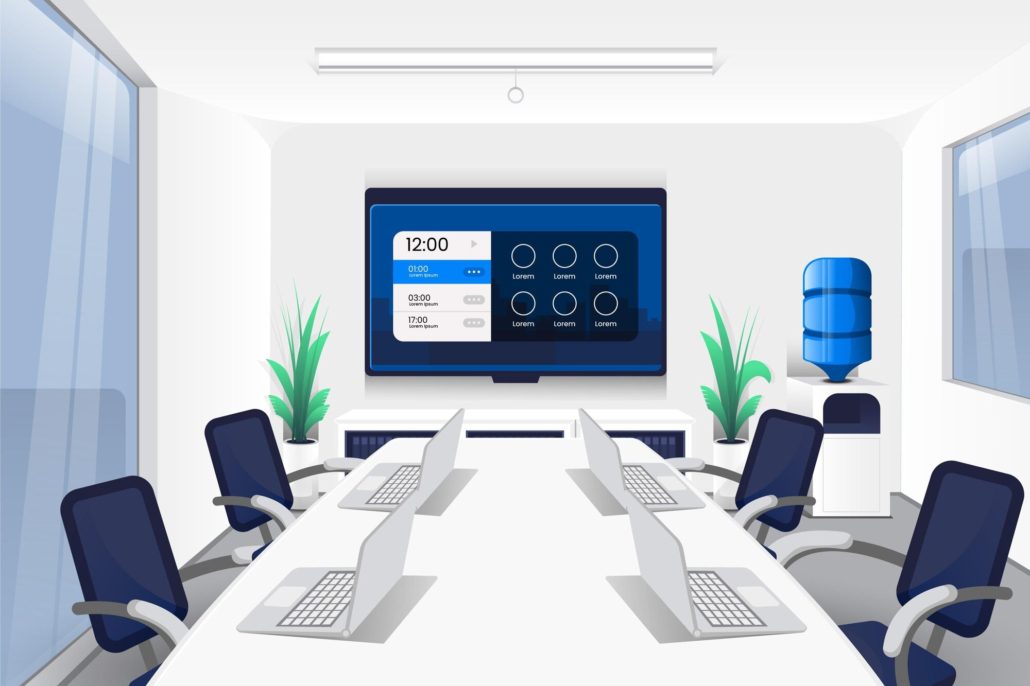
In today’s professional environment, proficient management of meeting room bookings has emerged as a vital aspect of operational effectiveness. As businesses expand and work practices change, the need for collaborative venues has increased significantly. Meeting rooms have transformed beyond mere physical locations; they are now crucial spaces for idea sharing, strategy development, and decision-making processes.
The task involves handling these areas properly to guarantee their optimal use, avoiding any clashes or misunderstandings. The intricacy of scheduling meeting rooms is heightened by multiple elements, such as the quantity of rooms, the varied requirements of different teams, and the growing dependence on technology for interactions and teamwork. Organizations need to address these obstacles to develop a smooth reservation process that meets the ever-changing demands of today’s work environment.
This piece examines the typical challenges encountered in managing meeting room reservations and investigates actionable strategies that can improve the functionality and productivity of this vital component of workplace dynamics.
Typical Challenges in Meeting Room Booking Management
Absence of Clarity and Openness
A major issue in handling meeting room reservations is the difficulty in tracking room availability. Within numerous organizations, staff often lack immediate access to a shared calendar or booking platform, which can cause overlapping bookings or uncertainty regarding which rooms are open at a specific moment. This absence of clarity can lead to dissatisfaction among team members, inefficient use of time, and potentially lost chances for teamwork.
Various Meeting Conditions
The various needs for various meeting kinds provide another major challenge. While some meetings might just need a quiet place to talk, others could need more sophisticated technology, including video conferencing features or specialist equipment. Organizations may find it difficult to assign rooms effectively if they don’t have a strong grasp of these disparate demands. When workers discover that their particular needs are not being satisfied, this mismatch may cause them to become dissatisfied, which can eventually lower morale and productivity.
Facilitating Hybrid Meetings
The scheduling procedure is further complicated by the growing popularity of remote work and the need to accommodate hybrid meetings, in which some participants participate digitally while others are present in person. A conference space being full or unavailable when staff members arrive hampers their productivity and may give the impression that the company is not operating efficiently.
Implementing a Centralized Booking System

An efficient way to tackle the difficulties of managing meeting room reservations is to adopt a unified booking platform. This type of system brings together all details regarding meeting spaces into one accessible interface, enabling staff to check current availability and reserve rooms effortlessly. Organizations can greatly minimize the chances of overlapping reservations and guarantee that all users receive consistent information about room availability by offering a consolidated interface for everyone.
Booking systems that are centralized frequently include features designed to improve user experience and operational efficiency. For example, numerous systems permit users to sort rooms according to particular parameters like size, available equipment, and geographical location. This functionality helps staff swiftly identify the best space that meets their requirements.
Furthermore, by integrating with already-existing calendar apps, customers can make reservations straight from their calendars and avoid switching between platforms. By making the booking process simpler, this smooth integration not only saves time but also improves consumer satisfaction.
Clearly Defined Booking Policies and Processes
Creating definitive booking rules and processes is crucial for enhancing the management of meeting room reservations. Companies need to formulate clear instructions that describe the reservation process, incorporating regulations about cancellations, booking time restrictions, and preferential access for specific teams or meeting types. By clarifying these parameters in advance, organizations can reduce confusion and disputes related to room usage.
In addition, well-defined guidelines can promote a sense of responsibility within the workforce. When staff members are aware of the regulations related to room reservations, they are more inclined to follow them, thereby minimizing occurrences of absences or sudden cancellations that could interfere with planning. For instance, businesses could adopt a rule mandating that users cancel reservations at least 24 hours prior if they don’t intend to use the area.
This method not only opens up spaces for additional teams but also promotes considerate utilization of communal assets.
Utilizing Technology for Streamlined Booking Processes
Incorporating technology into the management of meeting room bookings can significantly improve efficiency and user satisfaction. Numerous software options provide enhanced capabilities like mobile accessibility, automated notifications, and insights into room usage trends. By utilizing these technological advancements, businesses can foster a more effective booking system that caters to their staff’s requirements.
In the current dynamic workplace, mobile access plays a crucial role. Workers frequently require the ability to swiftly decide on room reservations while traveling. A booking system optimized for mobile devices enables them to view availability and reserve rooms using their smartphones or tablets, guaranteeing that they can obtain a meeting space as needed.
Additionally, by notifying users before to their scheduled meetings and asking them to confirm their presence or cancel if their plans change, automated reminders can assist lower the number of no-shows. Analytics software may also offer insightful information on how meeting spaces are used in a company. By monitoring use trends, businesses may determine when reservations are most popular and modify their resources appropriately.
For example, when some spaces are perpetually overbooked and others are rarely used, modifications can be implemented to improve space management. This analysis-based strategy not only boosts operational effectiveness but also guides subsequent choices related to office design and resource allocation.
Conclusion and Recommendations for Effective Meeting Room Booking Management

Simplifying the Reservation Procedure
While clear standards set expectations that encourage accountability, the implementation of a centralized booking system lays the groundwork for openness and usability. By using this strategy, businesses may better organize their meeting rooms and guarantee that every employee has access to the tools they require.
Using Technology to Improve Reservations
Adopting technology may also greatly improve the booking experience by providing analytics tools that help with decision-making and mobile access. To properly simplify their operations, businesses should think about investing in all-inclusive solutions that incorporate these aspects.
Enhancing the Use of Meeting Areas
Focusing on these approaches allows organizations to maximize the use of their meeting areas, which in turn enhances a more effective and cooperative workplace atmosphere.
Key Considerations for Implementation
In the end, effective management of meeting room bookings hinges on harmonizing technology, organizational policies, and the needs of staff. Companies that manage to strike this balance are expected to experience notable enhancements in teamwork and productivity.
An associated piece that offers remedies for typical challenges in managing meeting room reservations is the blog entry on Isoftx site titled “Cloud-Based Ticketing System.” This post explores how adopting a cloud ticketing system can simplify the reservation process, enhance communication among team members, and minimize the chances of overlapping bookings. Through the use of this cutting-edge technology, companies can efficiently handle their meeting room reservations and guarantee that every team member receives the vital information instantly. For further insights into how a cloud-based ticketing system can enhance management of meeting room bookings, read the article linked here.
FAQs
What are some common difficulties in meeting room booking management?
Several typical challenges faced in managing meeting room reservations include overlapping bookings, unforeseen alterations, insufficient insight into room occupancy, and complications when coordinating across various locations or time zones.
What are some solutions to these difficulties?
A centralized booking system, calendar connection for real-time updates, approval protocols for booking requests, and clear communication and meeting room usage standards are a few ways to overcome these challenges. The booking process may also be streamlined and room availability can be seen by using room scheduling software.

