
Transform Your Business with the Best ERP Solution
For companies looking to increase efficiency and simplify operations, enterprise resource planning (ERP) systems have become essential tools. Fundamentally, ERP solutions combine several organisational tasks into a single system, facilitating better decision-making and real-time data exchange. In the fast-paced business world of today, when a company’s competitive advantage may be greatly impacted by agility and responsiveness, this integration is essential.
ERP solutions offer a comprehensive picture of an organization’s performance by combining many operations, including supply chain management, finance, human resources, and customer relationship management. Furthermore, ERP solutions are important for reasons other than just operational effectiveness. Because they make it possible for businesses to scale their operations with ease, they are essential in promoting business growth.
As businesses grow, they frequently encounter issues with data isolation and ineffective workflows. A robust ERP solution tackles these problems by streamlining repetitive activities, minimizing human errors, and delivering insights that enhance strategic decision-making. For example, a manufacturing firm can utilize ERP to improve its inventory control, guaranteeing that production timelines correspond with projected demand.
This approach reduces the expenses associated with surplus stock and improves customer satisfaction by ensuring prompt deliveries.
Exploring the Key Features of the Best ERP Solution
In assessing ERP solutions, it’s crucial to focus on the main attributes that set superior systems apart from others. A vital element is modularity, which enables companies to adopt particular modules tailored to their distinct requirements while keeping the flexibility to integrate additional features as they expand. This adaptability is especially advantageous for small to medium-sized businesses (SMBs) that might not need an entire range of functionalities right away but expect growth in the future.
Real-time analytics and reporting features are another essential component. Dashboards from the leading ERP solutions give decision-makers access into a range of company indicators, allowing them to quickly spot trends and track performance. For instance, a retail company may use real-time sales data to dynamically modify inventory levels, minimising overstock of less popular items while guaranteeing that popular products are always available.
Furthermore, in today’s digital environment, mobile accessibility and user-friendly interfaces are becoming more and more crucial since they enable staff members to access vital information at any time and from any location, which boosts productivity.
Benefits of Implementing an ERP Solution
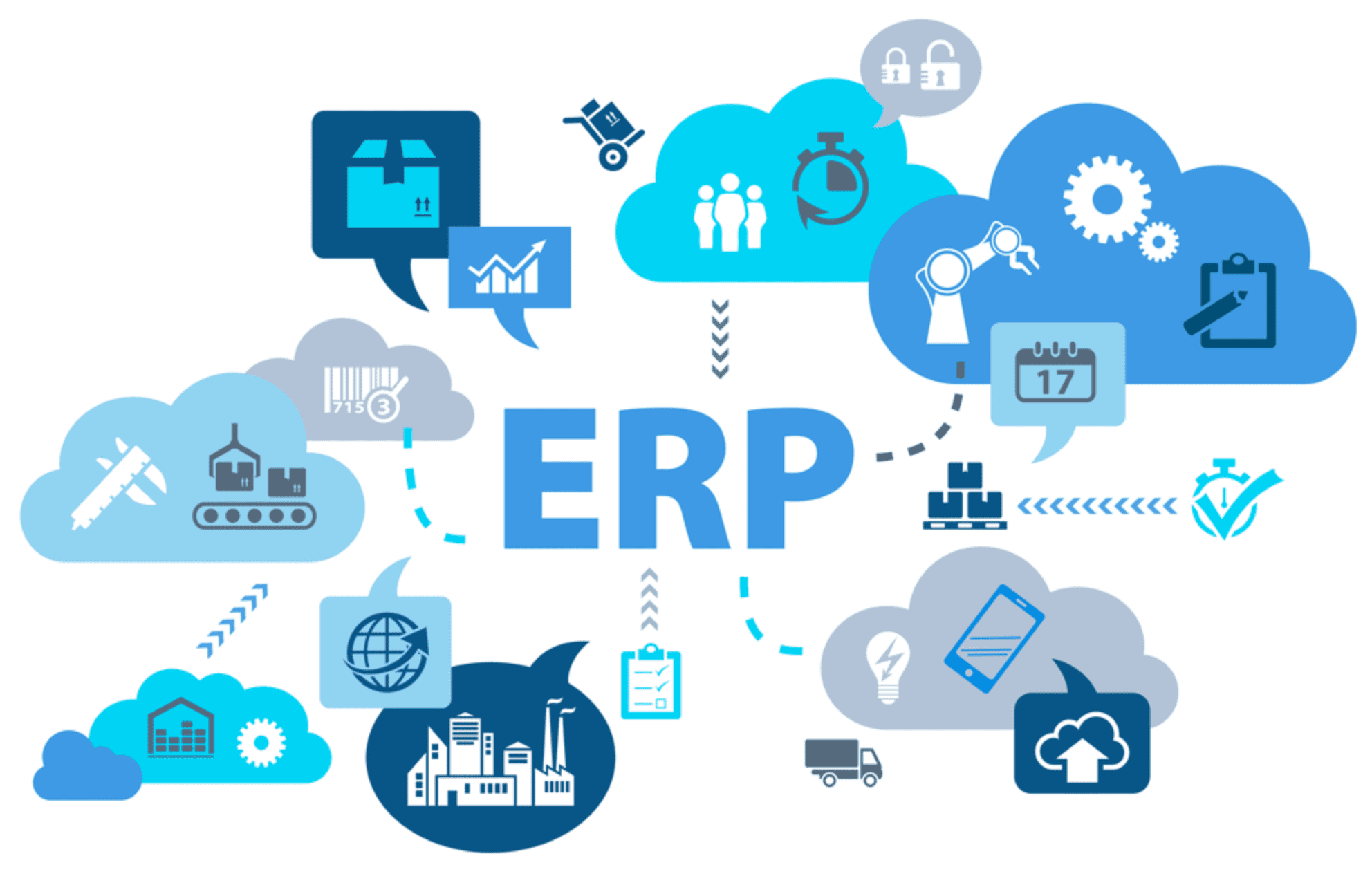
The possibility of increased operational efficiency is one of the main advantages of implementing an ERP system in this area. Routine processes like inventory management, payroll processing, and invoicing may be automated by local firms, giving staff members more time to concentrate on important projects.
Improved profit margins and large cost reductions are possible outcomes of this increased efficiency. Additionally, putting in place an ERP solution may help improve adherence to regional laws and industry norms. An ERP system may assist in making sure that all financial records are correct and current when organisations must comply with a variety of regulatory regulations.
For example, an ERP system can streamline tax computations and produce reports that adhere to regional tax regulations, minimizing the chances of incurring penalties for non-compliance. Furthermore, the capacity to monitor and handle customer interactions via combined CRM components can improve customer support and loyalty, thereby fostering expansion in a competitive landscape.
Choosing the Right ERP Solution Provider
Choosing the appropriate ERP system vendor is vital for achieving effective implementation and ongoing contentment with the solution. Companies should start by evaluating their unique requirements and goals. This includes pinpointing crucial processes that need enhancement and deciding which functionalities are necessary for their activities.
After setting these criteria, businesses can start assessing possible suppliers by examining their expertise, standing in the market, and the variety of services they provide. Additionally, it is wise to look into the training and support services the supplier can offer. A strong support mechanism is crucial for resolving any problems that might occur after implementation.
Comprehensive training programs are provided by Isoftx, the top ERP solution provider in Chandigarh, to assist guarantee that staff members are prepared to use the new system efficiently. Additionally, looking for case studies or testimonials from Chandigarh companies who have successfully used the ERP solution from the supplier will offer insightful information about their efficacy and dependability.
Implementing and Integrating ERP Solutions for Seamless Business Operations
The process of implementing an ERP is complex and demands thorough preparation and execution. Before deciding how to integrate the new technology into their operations, businesses must thoroughly examine their current procedures to find places for improvement. Engaging stakeholders from different departments is frequently necessary at this phase in order to collect feedback and make sure the system satisfies the demands of all users.
Once the planning phase is complete, the actual implementation can begin. This typically involves data migration from legacy systems to the new ERP platform, which must be done meticulously to avoid data loss or corruption. Integration with existing software applications is another critical aspect of this phase; seamless integration ensures that all systems communicate effectively, allowing for real-time data sharing across departments.
For example, order processing and inventory management may be streamlined by connecting an ERP system with an e-commerce platform, improving overall operational efficiency.
If you’re aiming to elevate your business using an effective ERP solution, you might also want to explore top hotel management software available in India. This piece explores how choosing the appropriate software can enhance operational efficiency and boost customer satisfaction within the hospitality sector. Read more about it here.
FAQs
What is an ERP solution?
An Enterprise Resource Planning (ERP) solution is a software platform designed to unify and oversee a company’s essential business operations, typically functioning in real-time. This system facilitates the automation and consolidation of different activities, including finance, personnel management, stock control, and customer relationship management.
How can an ERP solution transform a business?
An ERP system has the potential to revolutionize an organization by optimizing operations, boosting efficiency, delivering real-time insights for informed choices, fostering teamwork among various departments, and ultimately driving higher productivity and profits.
What are the key features of the best ERP solution?
Comprehensive functionality that covers every facet of the organisation, scalability to support expansion, flexibility to adjust to shifting business requirements, simplicity of connection with other systems, and strong reporting and analytics capabilities are all characteristics of the greatest ERP solution.
How can businesses choose the best ERP solution for their needs?
To select the most suitable ERP system, companies should perform an in-depth assessment of their requirements, compare various providers and their solutions, take into account elements like pricing, scalability, specialized features for their sector, and support options, while also consulting essential contributors from within the organization.
What are the potential challenges of implementing an ERP solution?
Employee aversion to change, data transfer problems, customisation complexity, and the requirement for substantial training and support are some potential obstacles to using an ERP solution. These difficulties may be addressed, though, with careful preparation and implementation.

